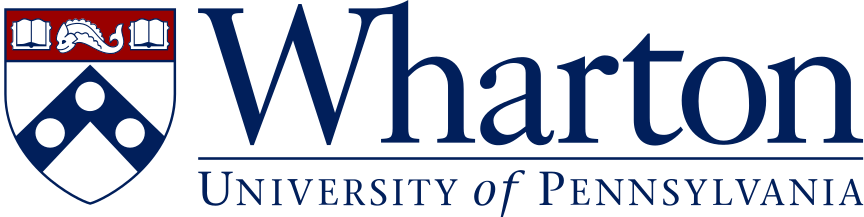



(Outlet: S&P Global) Barclays PLC can no longer underwrite municipal bonds in Texas after the state’s attorney general determined the bank may be a “fossil fuel boycotter” in violation of state law.…Read More
(Outlet: S&P Global) Barclays PLC can no longer underwrite municipal bonds in Texas after the state’s attorney general determined the bank may be a “fossil fuel boycotter” in violation of state law.…Read More

(Outlet: Newsweek) The ongoing insurance crisis in Florida, fueled by the exodus of major insurers and the increased risk of extreme weather events, could trigger a downturn in the state’s real estate market, experts told Newsweek.…Read More
(Outlet: Financial Times) The winners of the Responsible Business Education Awards have helped to address vital and sometimes overlooked societal and environmental issues in a practical way. Wharton Professor Daniel Garrett wins “best academic research with societal impact: publications and outreach that have influenced policy or practice” for his paper “Gas, Guns, and Governments” (Federal Reserve Bank of Chicago). …Read More

(Outlet: Financial Times) By combining hands-on experience with tools such as VR headsets and AI, schools are improving their teaching on sustainability and the climate crisis. Wharton professors Arthur van Benthem and Mirko Heinle’s course “Climate and Financial Markets” has been Highly Commended by the Financial Times Responsible Business Education Awards for Best Innovative Recent Teaching Materials on Sustainability or Climate Change Adaptation with a Special Focus on Finance.…Read More

(Outlet: Penn Today) More than two dozen researchers from schools and centers across the University traveled to Dubai for the UN’s annual climate change conference.…Read More

(Outlet: Poets & Quants) Professor Sarah E. Light, Professor of Legal Studies & Business Ethics and Faculty Co-Director of the Wharton Climate Center, has been named a 2023 Top 50 Best Undergraduate Professor by Poets & Quants.…Read More

(Outlet: CNN Business) The US Senate Budget Committee is launching an investigation into whether Florida’s state-backed home and property insurance company has enough money in the bank to withstand future disasters, as scientists warn warming oceans and sea level rise are making storms more destructive. Fears about a possible federal bailout are not unfounded, Benjamin Keys, a real estate professor at the Wharton School of the University of Pennsylvania, told CNN. “They absolutely have a reason to be concerned; the exposure is enormous,” Keys said. “1.3 million of the riskiest policies in the riskiest state, full stop. It’s correlated exposure – if a hurricane hits your house, it hits my house.”…Read More

(Outlet: ABC News) As climate disasters grow more costly, insurers aren’t paying policies. “The insurer’s goal is to collect more in premiums than they pay out in claims,” said Ben Keys, University of Pennsylvania Wharton School of Business professor of real estate and finance. “We’re seeing higher costs of materials, higher costs of labor, and those are growing faster than inflation.”…Read More

(Outlet: ABC News) As climate change continues to cause disasters across the country, some people in the most high-risk areas that have already seen massive destruction say they are being left behind. Experts say the situation has been compounded for a number of reasons, including insurers arguing that the risk of doing business there is just too high due to the elevated risk of wildfires and California laws that restrict how the insurance companies can price out their policies.…Read More
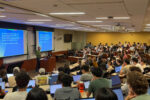
Things moved quickly at the 2023 Wharton Climate Prof, a fast-paced event that gave professors just five minutes to present years of their research at the intersection of business and climate change. But with research so provocative, five minutes was all they needed to engage the audience and leave them wanting more.…Read More